Healthy Habits for Porn Recovery: How Sleep, Exercise, and Connection Make Urges Weaker
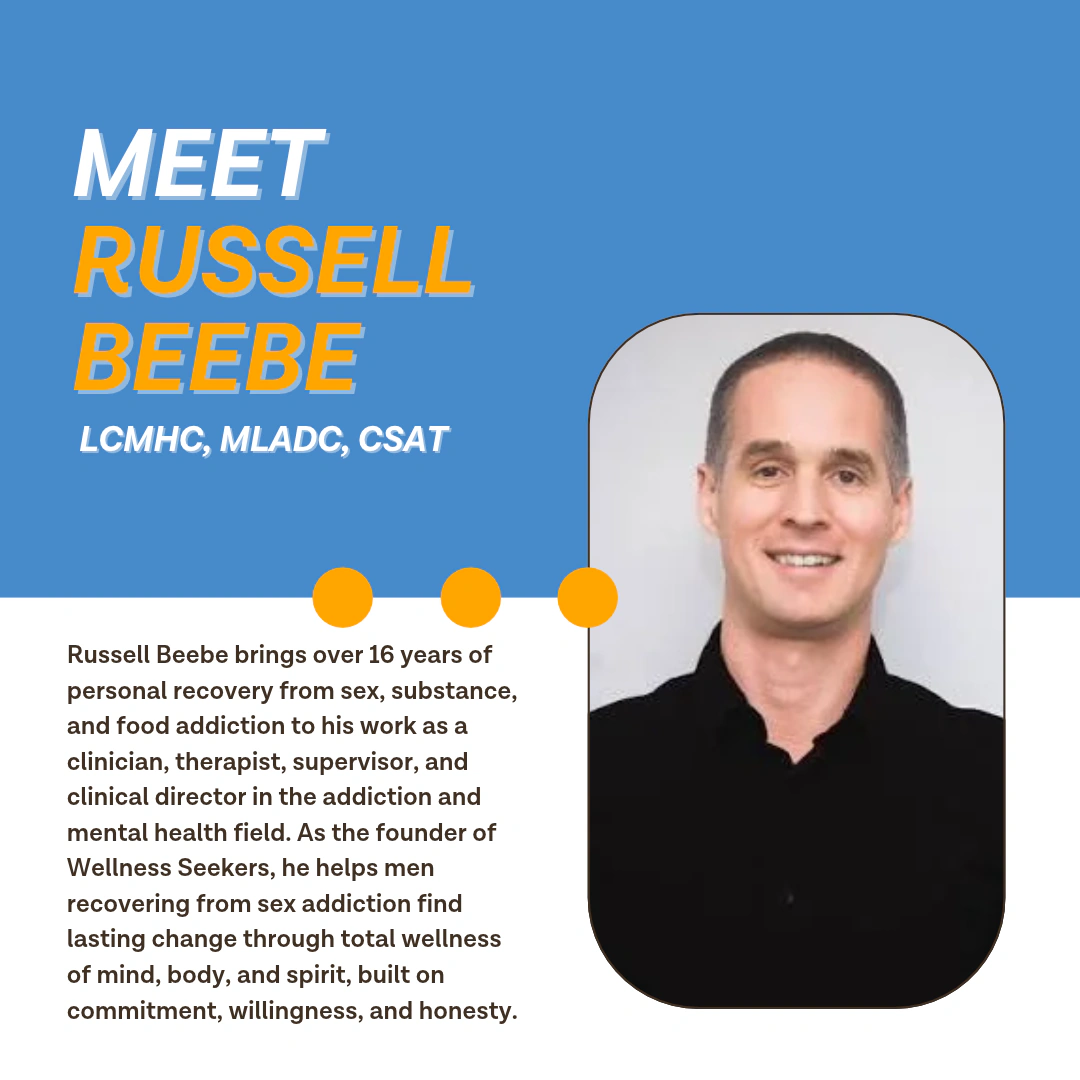
Guest post by Russell Beebe, LCMHC, MLADC, CSAT, founder of Wellness Seekers, specializing in sexual addiction recovery
Recovery rarely happens by accident. Healthy habits for porn recovery, like maintaining a regular sleep schedule, exercising, eating well, and planning your day, won’t eliminate urges, but they create a stronger foundation for responding to them differently. Small, repeatable habits often matter more than dramatic changes.
Porn addiction recovery doesn’t end with sexual sobriety; it begins there. What follows is the real work: building a life that supports healing, prevents relapse, and fosters emotional clarity.
Why a Worn-Down Body Makes Porn Urges Stronger
Stress can narrow your attention toward whatever has brought fast relief before. If porn has repeatedly provided distraction, stimulation, or emotional numbing, your brain may begin offering it as an automatic response to pressure.
For many men, the urge is a late warning sign. The recovery opportunity may have appeared hours earlier when they skipped lunch, stopped communicating, or carried work pressure into an isolated evening.
The next time you experience a strong urge, ask yourself:
- What was I feeling before the urge?
- Was I tired or hungry?
- Did something stressful happen?
- Had I been isolating myself?
Many people in recovery use the word HALT to remember this: hungry, angry, lonely, tired.
Patterns begin to emerge surprisingly quickly.
Does lack of sleep make porn urges worse? One study found that problematic online pornography use, psychological stress, emotion dysregulation, and insomnia symptoms were related in one adult sample. Sleep and stress are part of the same pattern, not separate problems.
Stick to a consistent sleep schedule, reduce screen time before bed, and exercise regularly. These basic health routines help stabilize mood and reduce the intensity of cravings.
Healthy Habits for Porn Recovery You Can Start This Week
Start your morning before you start your phone
The first hour of your day can shape the hours that follow. Starting your morning in a reactive or overstimulated state, such as immediately scrolling through social media, can fuel anxiety, cravings, and scattered thinking.
Start simple: get natural light on your face, hydrate, and take ten quiet minutes for yourself before reaching for your phone. These moments don’t need to be elaborate, but they should be consistent.
Eat to keep your energy steady
What and when you eat can influence your mood, energy, and focus throughout the day. Afternoon fatigue and irritability are often tied to skipping meals or eating quick, processed carbs. Balanced meals keep your energy steady. Think eggs and avocado in the morning, or snacks like almonds and Greek yogurt.
Use exercise to reduce porn cravings
You don’t need to commit to long workouts to get the benefits of movement. What matters more is staying physically engaged throughout the day. Movement interrupts mental ruts, relieves emotional pressure, and rebalances the nervous system. This might look like a 20-minute morning walk, five-minute posture checks during work breaks, or light stretching after stressful calls.
Protect your sleep with a wind-down routine
Evenings often bring fatigue, unprocessed emotions, or restlessness, all of which can reignite compulsive urges. A structured wind-down routine helps you shift gears and signal to your mind and body that the day is complete.
Journaling, breathing exercises, or reading non-stimulating material can help release tension. Commit to a screen cutoff time, and remove unnecessary screens from the bedroom.
Stress Management for Porn Recovery: Calming Your Nervous System Without a Screen
Stress helps explain the sequence. It does not excuse it. The useful question is not whether stress made you do it. The useful question is how stress changed your choices and where you can intervene next time.
Watch for the stress that shows up before the urge:
- Pressure to perform without room to recover
- Conflict you avoid addressing
- Decision fatigue late in the day
- Poor sleep, missed meals, or physical exhaustion
- The belief that you must appear fine and handle everything privately
Build a short transition between the stressful role and the vulnerable setting. That might mean a ten-minute walk before entering the house, a phone call after a difficult shift, or changing clothes and eating before opening a laptop. Passive scrolling often looks like rest while keeping you alone with the same device and the same cues.
If an urge shows up during high stress, say the situation plainly: I am overloaded and looking for relief. Change location and device access. Tell a support person before you start negotiating with the urge. Use a physical downshift such as walking, showering, eating, or paced breathing. That’s how to manage stress without porn.
Loneliness and Porn Use: Why Real Connection Is a Recovery Habit
Loneliness is not always the absence of people. You can spend the day around coworkers, come home to a family, and still feel unknown.
Porn can imitate parts of connection without requiring vulnerability, patience, or the risk of being known. For a short time, it can cover loneliness with stimulation. When the screen goes dark, the need for connection is still there. A 2024 study of 213 adults found that loneliness was associated with greater problematic pornography use and emotion regulation difficulties.
Connection works better as a routine than as an emergency call you make only when an urge is already strong.
- Schedule recurring contact with one or two safe people.
- Join a healthy support group where confidentiality and responsibility are clear.
- Tell the truth early instead of reporting only after a relapse.
- Create device-free time with family or friends that requires real participation.
A spouse or partner should not be forced into policing your recovery. A broader support network protects both of you.
Why Wellness Habits and Accountability Work Better Together
Recovery thrives with structure and feedback. An effective accountability system tracks your progress, highlights setbacks, and helps you course-correct before minor slips turn into bigger issues. Accountability software can add useful structure, especially early in recovery.
Choose a few actions you can sustain, such as a morning plan, an evening review, movement, adequate sleep, and one honest check-in. Tie each action to a time or event.
Use a short weekly self-assessment: What’s working? What’s missing? Where did I feel most steady? Least steady? Focus on consistency, not perfection.
Recovery from porn addiction is rarely a straight line. Treat each slip as a checkpoint: a moment to pause, learn, and recalibrate. Each healthy habit you build makes the next hard moment a little easier.
Meet Russell Beebe
Russell Beebe, LCMHC, MLADC, CSAT, brings over 16 years of personal recovery from sex, substance, and food addiction to his work as a clinician, therapist, supervisor, and clinical director in the addiction and mental health field. As the founder of Wellness Seekers, he helps men recovering from sex addiction find lasting change through total wellness of mind, body, and spirit, built on commitment, willingness, and honesty.